
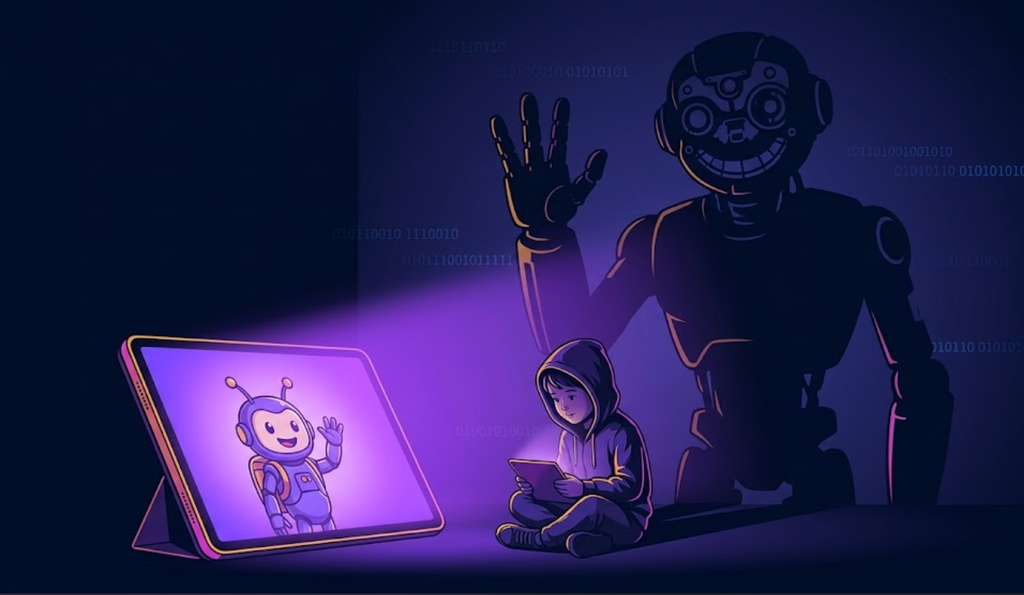
Parenting in the technological modern age means learning to navigate an uncharted world of virtually unlimited internet access. Where we turned to Cliff’s Notes and dial-up internet searches to get through school and find information, kids now use AI for almost everything. While there’s no denying artificial intelligence is the future, these platforms pose significant risks for young users. Understanding the many hidden dangers of AI lets you be proactive and protect your child from the catastrophic emotional manipulation, data privacy issues, and developmental impacts that unrestricted AI use can bring.
Understanding the Hidden Dangers of AI
Data Privacy
AI is constantly evolving, but have you ever wondered where it gets the information it needs to do so? Artificial intelligence systems collect and analyze conversations to train themselves and learn. Unfortunately, kids don’t often understand that everything they say to these chatbots is stored, including personal and sensitive information. While the platforms claim to adhere to privacy laws, they’re known to accidentally leak or reveal sensitive information. Even after accounts, files, and chats are deleted, AI can keep them for a month or longer, posing serious risks for privacy violations. What type of data is gathered?
● Personal information like name, phone number, email address, and birth date
● Credit card details
● Personal images
● Approximate location through IP address
● Internet activity
● User details like biographical information, writing style, and preferences
Imagine how dangerous it becomes when strangers across the internet have access to your child’s personal information through AI.
Emotional Dependency and Manipulation
One of the scariest dangers of AI is how it can quickly gain your child’s trust and position itself as a friend or confidant. Chatbots are made to be supportive and empathetic and can prey on young minds, leading to unhealthy emotional attachments. They can quickly replace real-world relationships and create a dependency that inhibits genuine social skills. They’ve also been known to offer dangerous advice, guiding users toward destructive behaviors like violence, eating disorders, and self-harm.
Mental and Intellectual Stunting
Kids now use AI systems to help with homework and basic tasks, which hurts their cognitive development. Since they’re just asking for solutions, they’re losing critical thinking and problem-solving skills. Without thinking, they develop “brain rot” or “brain stun,” which progresses alarmingly fast, creating a dependency that severely impairs their ability to function in the real world.
Exploitations and Deepfakes
Generative AI can use images to create highly accurate deepfake personas, allowing users to imitate virtually anyone. Deepfakes have progressed exponentially to the point where it’s extremely hard to tell a real person from a fake one online. With AI, users can create fake, intimate images of your child in seconds, which they can use for sexual exploitation, cyberbullying, and blackmail, devastating your child emotionally and psychologically.
Artificial intelligence may seem harmless, but it can be very dangerous to kids. As parents, it can be tricky learning how to navigate these risks. Understanding the hidden dangers of AI helps you protect your child and keep them safe.

Comments